Fade Haircut Types Explained: Names, Heights, Styles and Differences
Fade Haircut Types: The Complete Guide
The main fade haircut names are low, mid, high, skin (or bald), taper, burst, drop, and shadow fade. A fade name can describe where the blend starts, how short it goes, or the shape it follows around your head.
Fades are the most requested style at Prestige Barbers in Jacksonville. But with so many fade types, it can be confusing to know which one to ask for. Here's every type of fade we do, explained simply.
By Fade Height
Low Fade
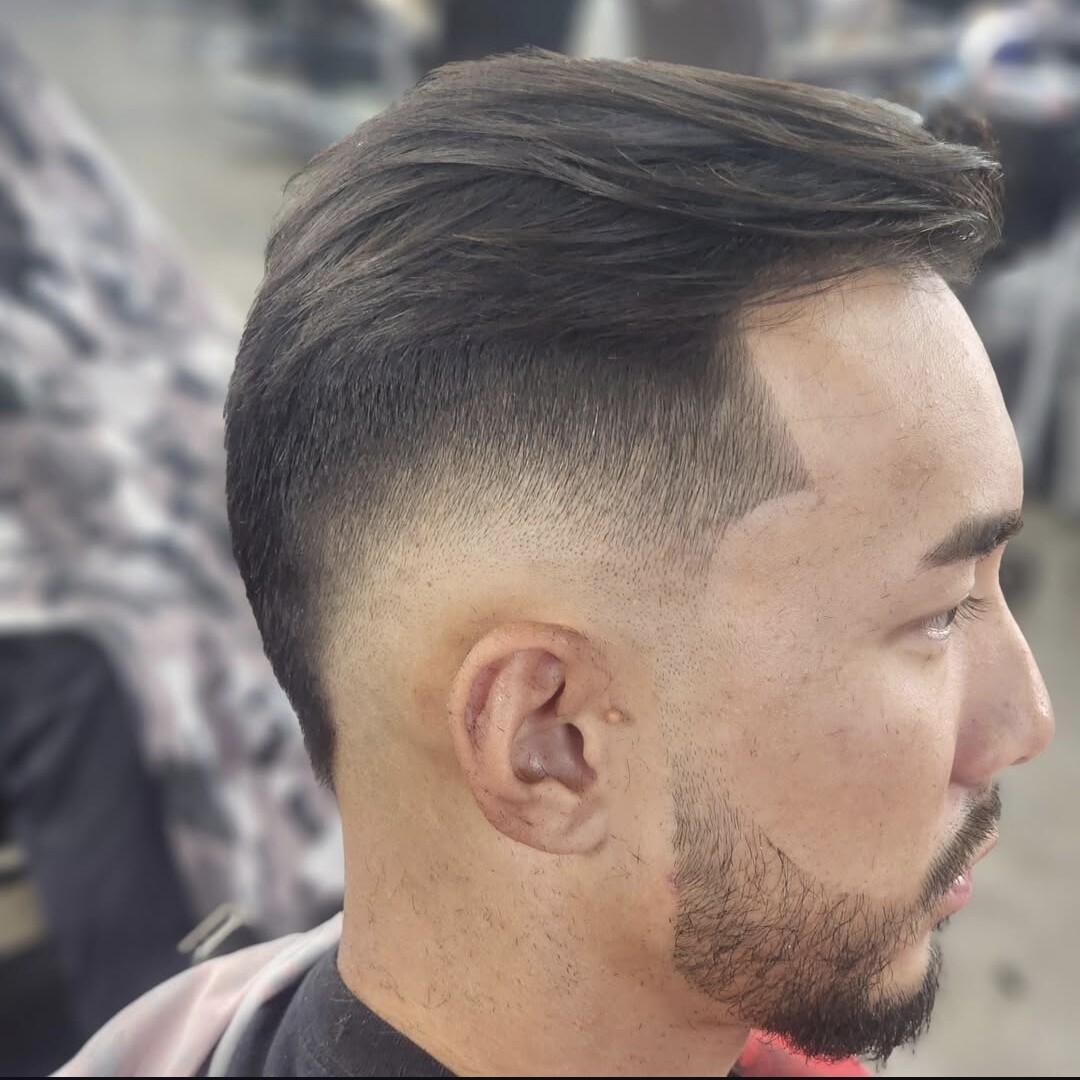
The blend starts just above the ear and stays low around the head. This is the most conservative fade — perfect for professional settings, job interviews, or if you want a subtle look. Most popular with Jacksonville business professionals.
Mid Fade
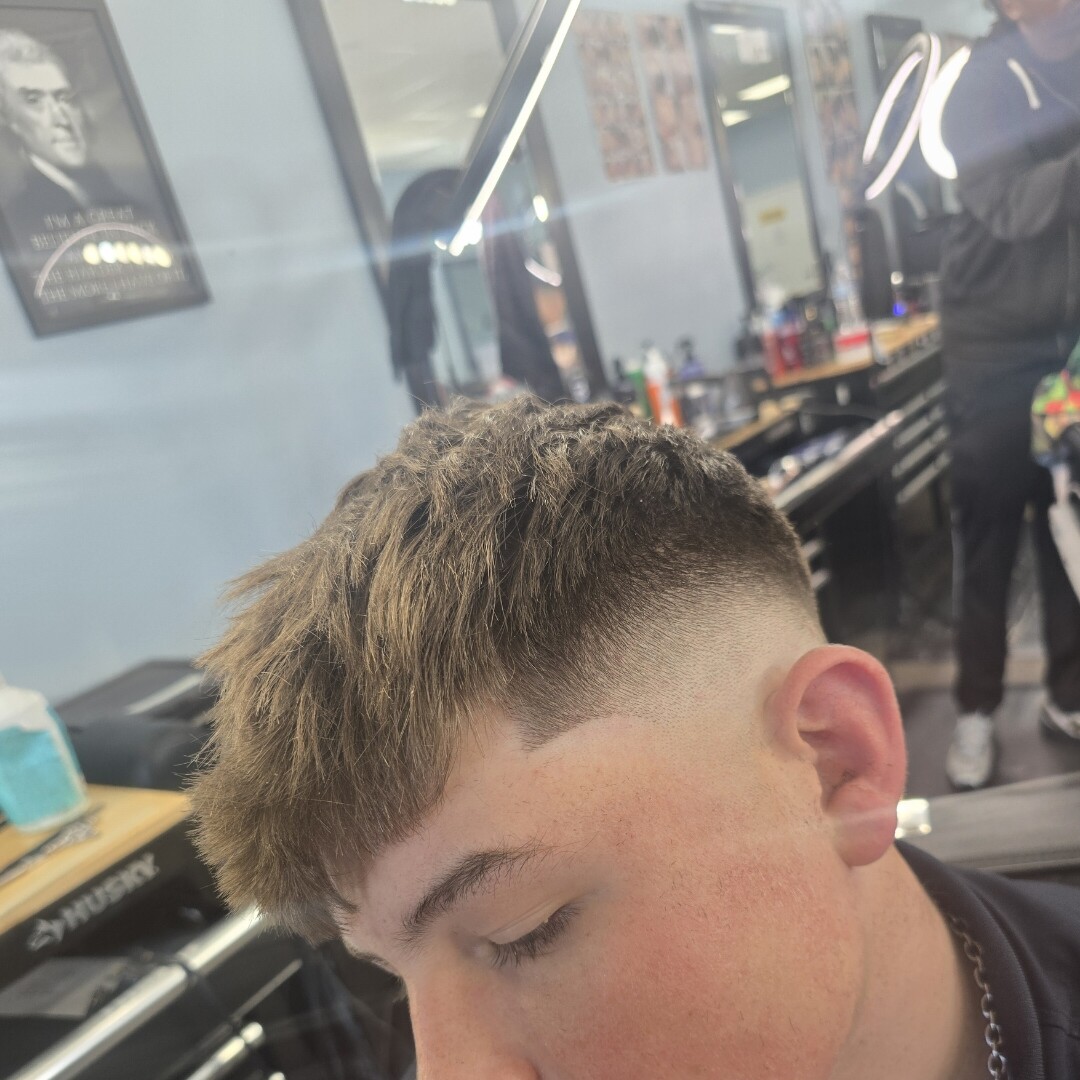
Starts at the temple area, roughly at the midpoint between your ear and the top of your head. This is our most requested fade height at both Atlantic Blvd and Argyle Forest locations. It's versatile and works with almost any face shape.
High Fade
The blend starts near the top of the head, taking the sides very short or bald up high. Bold, clean, and modern. Very popular in Jacksonville's summer months when you want maximum airflow.
By Fade Style
Skin Fade (Bald Fade)
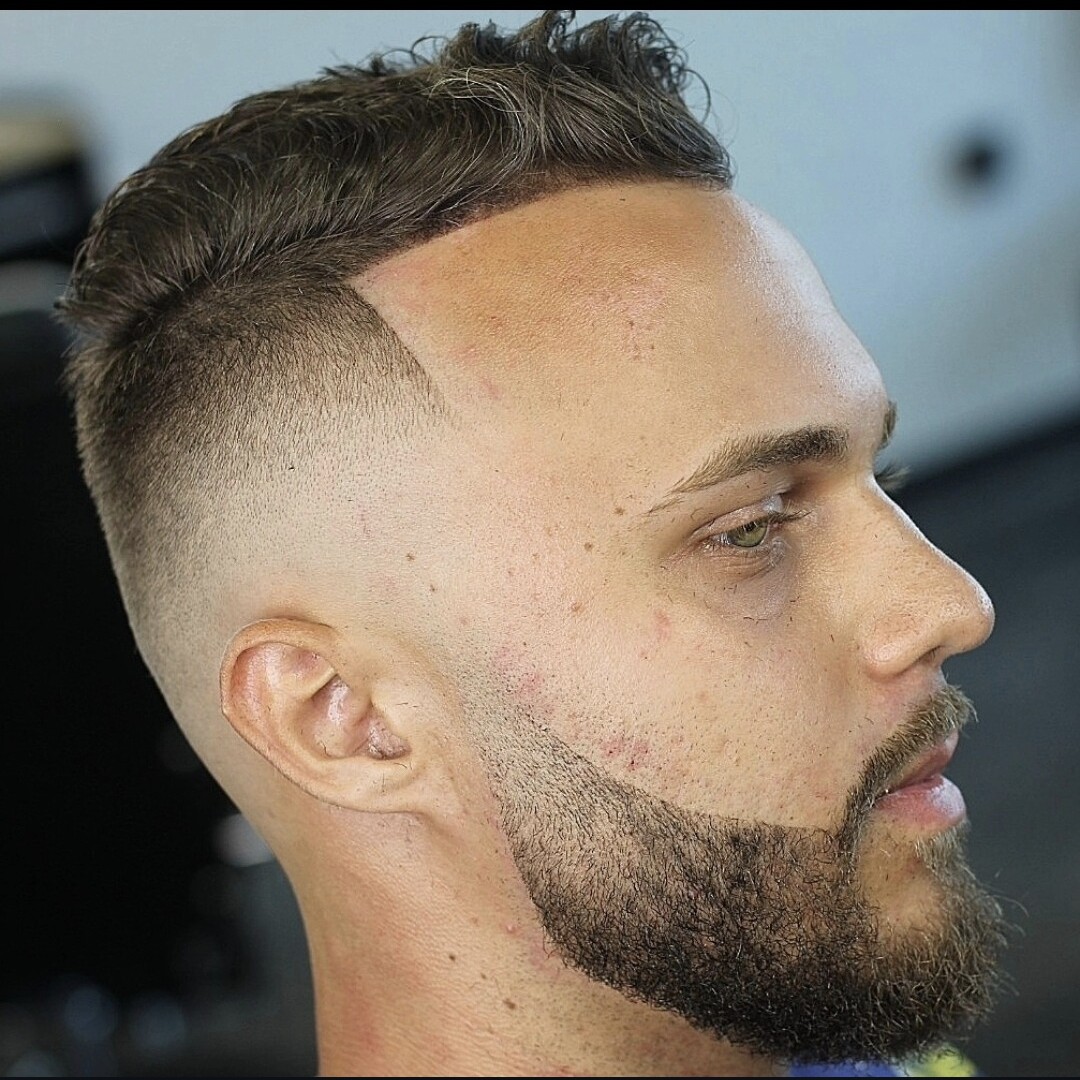
The hair fades down to bare skin at the bottom. No guard, no stubble — just a seamless blend from skin to hair. This is the most dramatic fade and requires the most skill from your barber. At Prestige Barbers, our fade specialists are trained to nail this every time.
Taper Fade
A gradual reduction in hair length that never reaches bare skin. The bottom still has a very short length (usually a 0.5 or 1 guard). More forgiving than a skin fade and grows out more gracefully.
Burst Fade
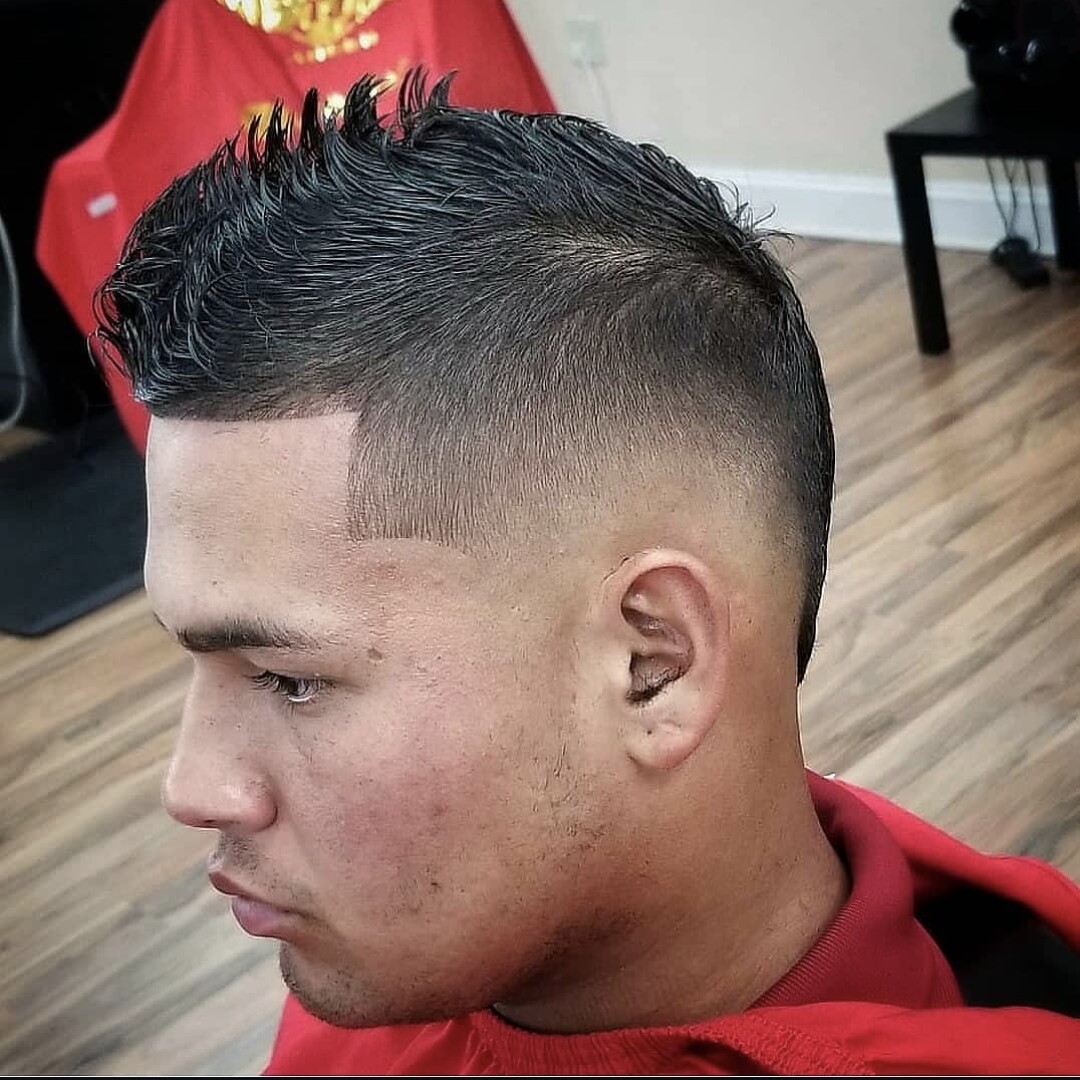
Instead of a straight fade line, the burst fade radiates outward from the ear in a semicircular pattern. It creates a sun-burst effect that pairs perfectly with mohawks, mullets, or longer top styles.
Drop Fade
The fade line drops down behind the ear instead of going straight across. This creates a curved, natural look that follows the shape of your head. Works great with curly hair and textured styles.
Shadow Fade
A very subtle blend that uses close guard lengths (no skin exposure). The "shadow" effect gives a clean, groomed look without the dramatic contrast of a skin fade. Popular with military clients who need a clean cut that stays within regulation.
Fade Comparison Chart: Every Type at a Glance
Here's every fade we cut, side by side — skin exposure, where the blend starts, and who it suits best:
| Fade Type | Skin Exposure | Where It Blends | Best For |
|---|---|---|---|
| Low Fade | Optional | Just above the ear | Professional, conservative looks |
| Mid Fade | Optional | Temple / midpoint | Versatile everyday cut |
| High Fade | Usually skin | Near the top of the head | Bold, modern, maximum contrast |
| Skin / Bald Fade | Bare skin | Any height | Sharpest, highest-contrast finish |
| Taper Fade | None (short guard) | Edges & neckline | Subtle look that grows out gracefully |
| Burst Fade | Optional | Semicircle around the ear | Mohawks, mullets, textured tops |
| Drop Fade | Optional | Drops behind the ear | Curly/textured hair, natural curve |
| Shadow Fade | None | Close guards, soft blend | Clean look, military regulations |
Compare Real Prestige Haircuts
These real haircut photos show a low taper, skin fade, burst fade, and textured crop with a mid fade. Use them to discuss the shape and contrast you want; your result will vary with hair texture, growth pattern, and finish. The textured crop is a crop reference, not a promise of a particular fringe length. The high, drop, and shadow fades above are explained in words because we do not have a clear matching photo to show here.
Fade vs Fade: The Comparisons People Ask About Most
Burst Fade vs Skin Fade
The difference is shape, not just length. A skin fade blends straight down to bare skin all the way around the head. A burst fade curves in a semicircle around the ear and leaves more length at the back and neckline — so the back of your head keeps hair instead of going skin-tight. Pick a skin fade for maximum contrast; pick a burst fade if you want a tapered back that pairs with a longer top.
Drop Fade vs Bald (Skin) Fade
A bald fade takes the sides down to skin in a straight line around the head. A drop fade uses the same short-or-skin blend, but the fade line "drops" lower behind the ear, curving down to frame the back of the head. If you have curly or textured hair, the drop fade's curved line usually looks more natural than a straight bald fade.
Drop Fade vs Shadow Fade
These two get confused because both look softer than a bald fade — but they describe different things. A drop fade is about the line shape (it drops behind the ear). A shadow fade is about the contrast level (close guard lengths, no skin, for a subtle "shadow" instead of a sharp skin line). You can even combine them into a low drop shadow fade.
Taper Fade vs Skin Fade
A taper fade never reaches bare skin — the shortest point is still a guard length, so it's more forgiving and grows out cleaner. A skin fade goes all the way to the scalp for the sharpest finish, but needs a touch-up every 1–2 weeks to stay crisp. Choose a taper if you can't get in often; choose a skin fade if you want the boldest look and don't mind regular upkeep.
Which Fade Is Right for You?
Not sure? Here's a quick decision guide:
- Professional/conservative: Low taper fade
- Everyday versatile: Mid skin fade
- Bold/trendy: High skin fade or burst fade
- Curly/textured hair: Drop fade or low burst fade
- Military regulation: Shadow fade or low taper
Still unsure? Walk into Prestige Barbers and show your barber some reference photos. We'll help you find the perfect fade for your face shape, hair type, and lifestyle.
Atlantic Blvd: 11900 Atlantic Blvd Suite #223, Jacksonville, FL 32225 — (904) 677-4767
Argyle Forest: 6001 Argyle Forest Blvd Suite #8, Jacksonville, FL 32244 — (904) 683-8717